
The method class
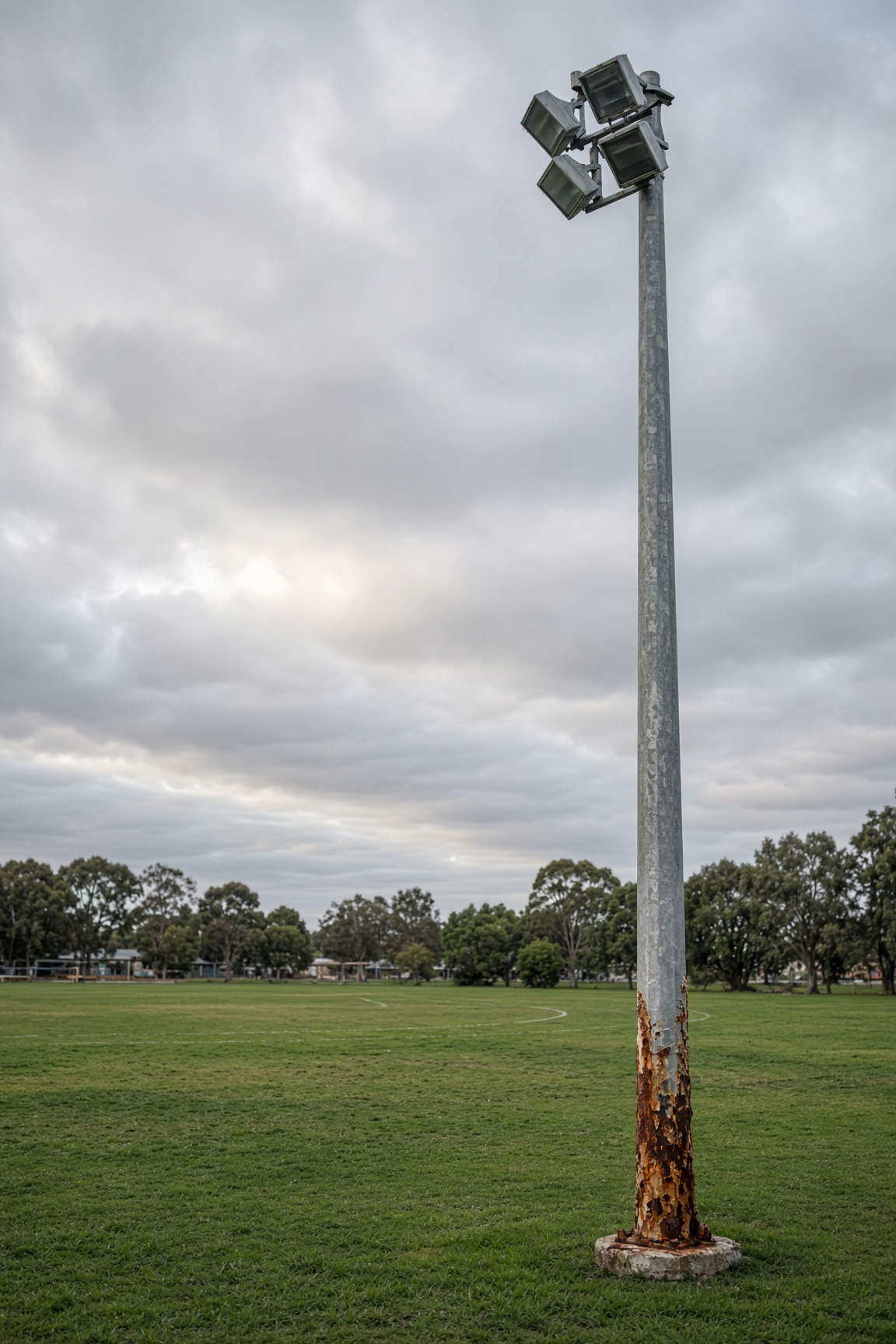
Magnetometric relative section-loss assessment used on planted and buried steel members.
Applications · Steel corrosion
Understand steel corrosion without digging.
Non-destructive magnetometric assessment of planted and buried steel — relative section loss, member by member.
Adelaide · South Australia · Australia-wide
Planted steel. Buried steel. Before works begin.
Buried and planted steel corrodes where you cannot see it.
Digging every member to check is slow, costly, and often impractical. Relative Loss gives a non-destructive indication of relative section loss so further action can be ordered with clearer information.
We reduce uncertainty before works begin. This sits inside Aus-OMI’s above- and below-ground intelligence — not as a gadget on its own. Based in Adelaide. Working Australia-wide.
What it is
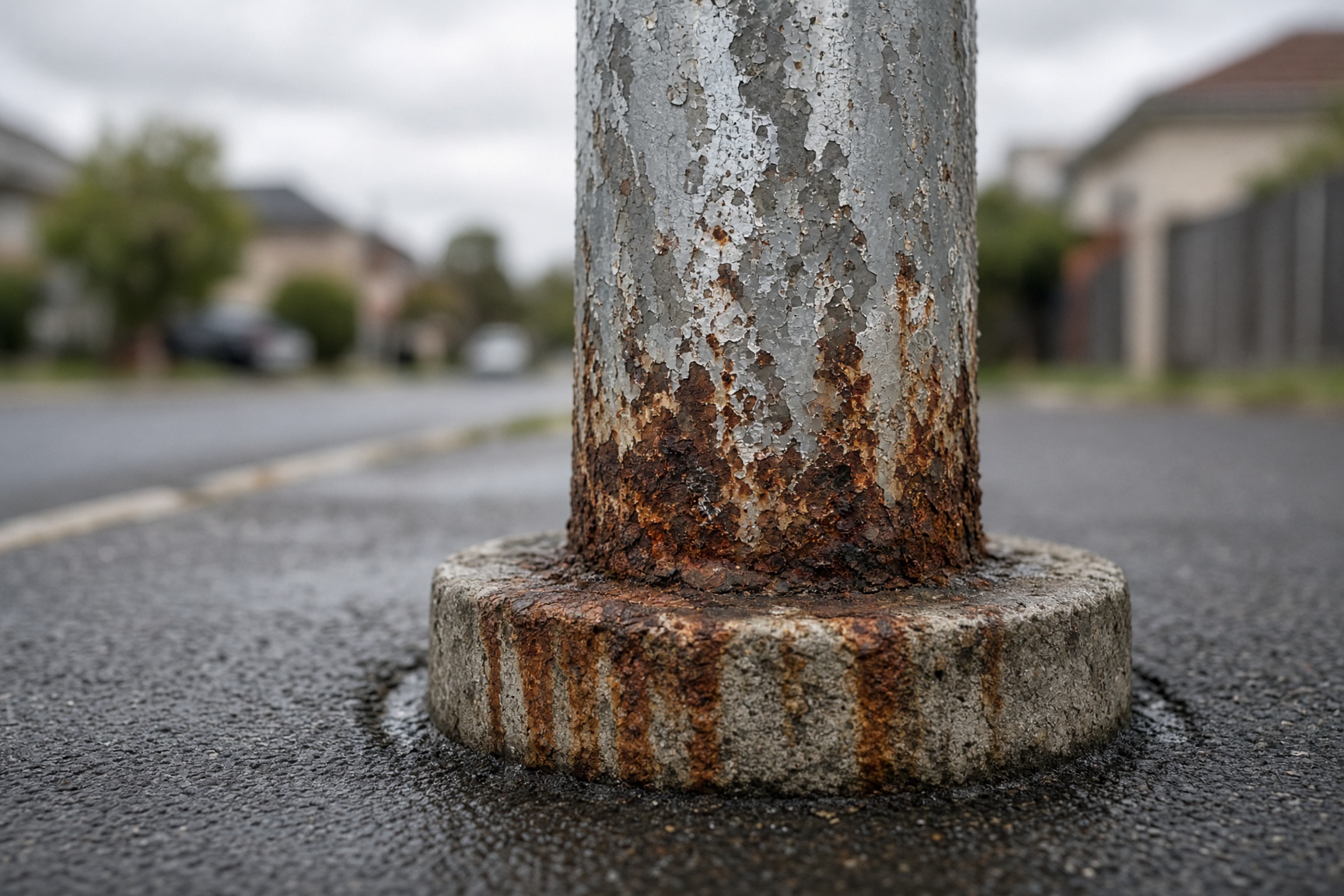
Relative Loss is a magnetometric method. It compares measured magnetic response to infer relative loss of steel section — also called relative loss of section — on planted or buried steel.
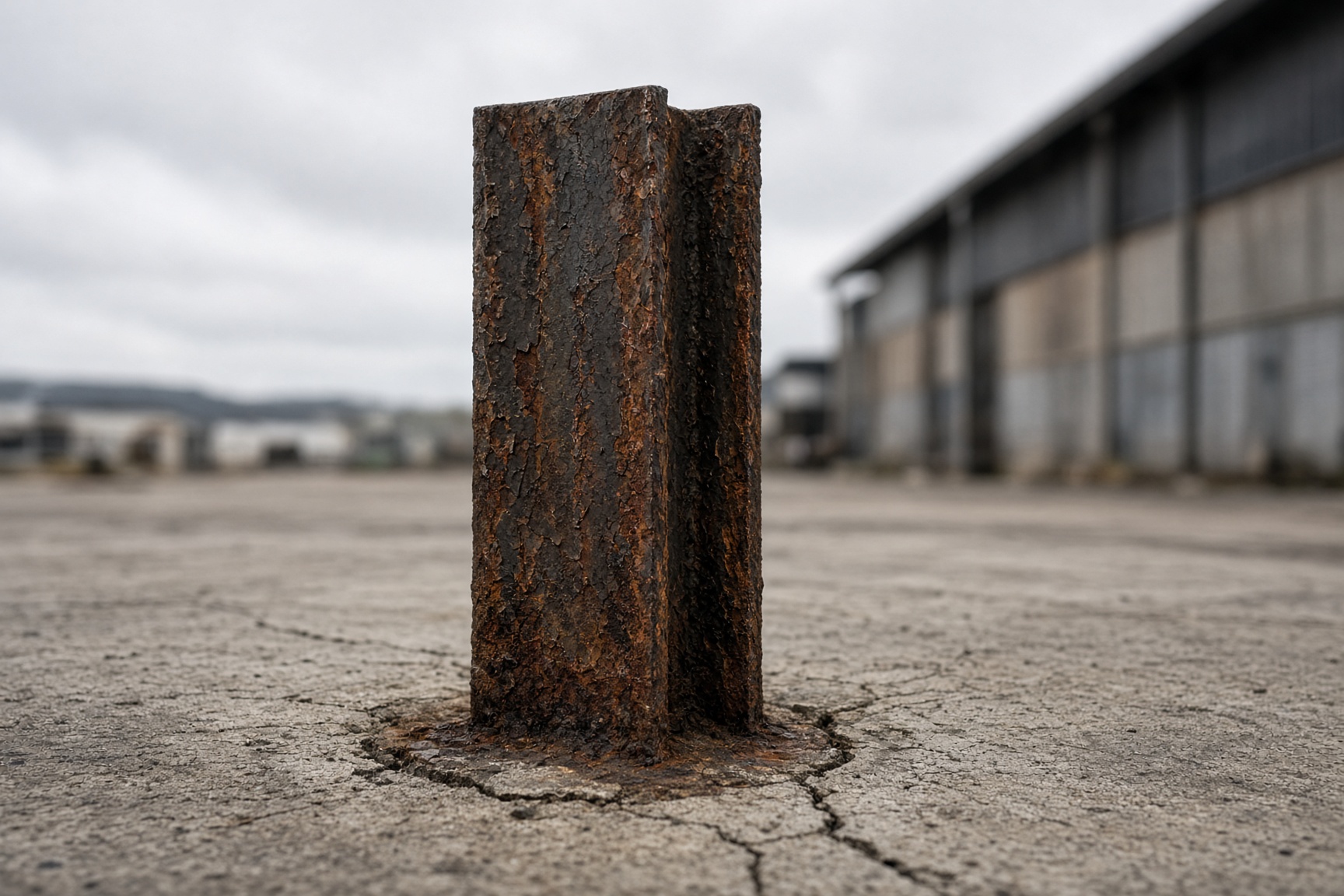
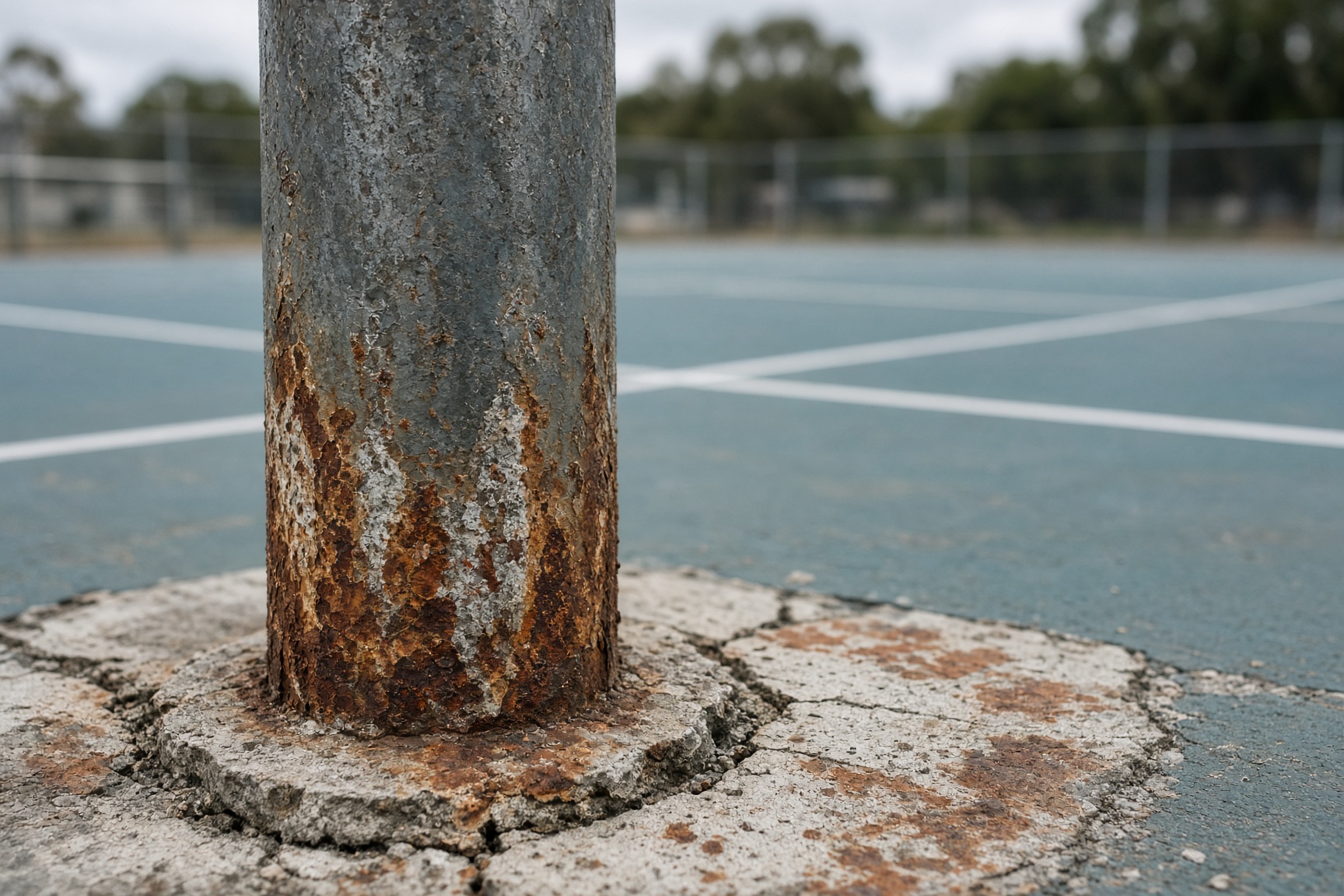
The output is condition insight pole by pole and member by member: how much steel is left relative to expectation. Lighting columns, traffic poles, rec lighting, planted columns and I-beams.
What’s possible
What’s proven
Magnetometric relative section-loss assessment used on planted and buried steel members.
A fast per-member field cycle against excavate-and-inspect. Coupling is consistent. The record is per member.
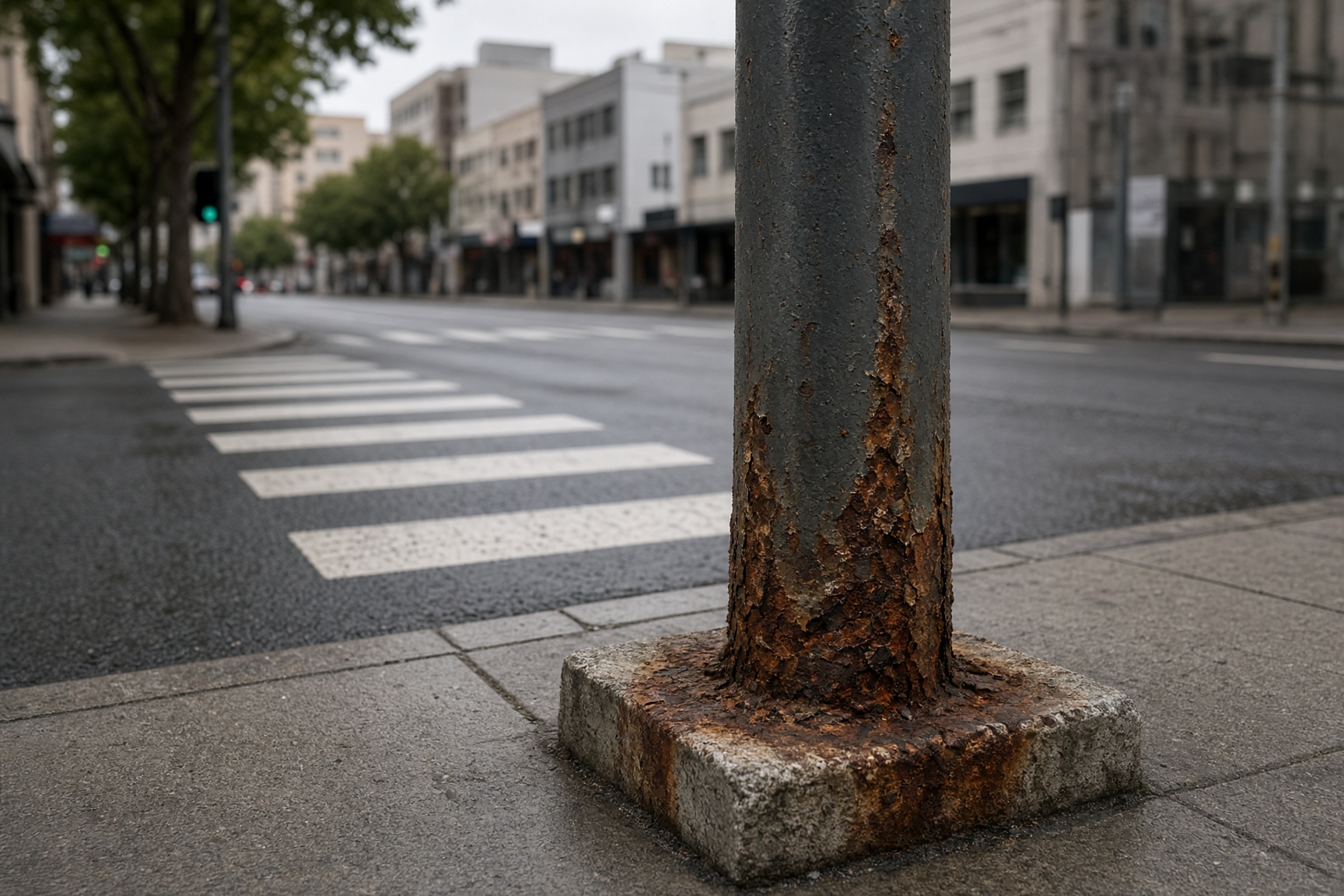
Planted steel columns, poles and I-beams where corrosion at and below the ground line is the risk.
Methodology
Steel members, access and the ground-line condition that matters. Lighting columns, traffic poles, rec lighting, planted columns and I-beams sit in the same method.
Field setup and sensor coupling at each member. Consistency at the ground line is the work.
Magnetometric readings at each member, including steel that sits below ground level.
Readings become relative loss indicators, member by member.
A digital record of relative section loss. What was measured, what was inferred, and the method behind both.
Keep, monitor, prioritise intervention, or plan a prove-up dig. Engineering decides. The survey supplies the order.
The science
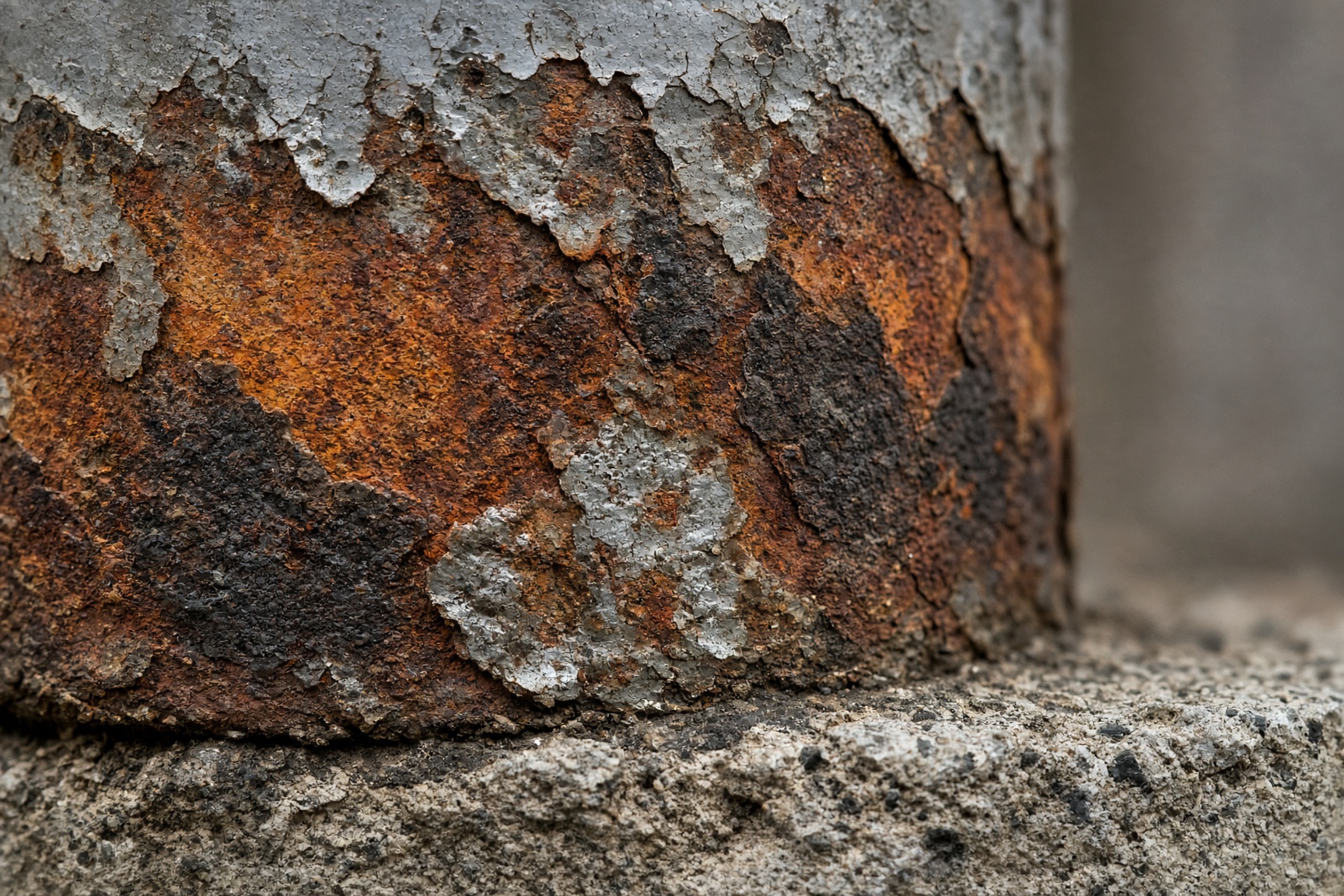
Corrosion reduces steel cross-section. That change in section changes the member’s magnetic response.
Relative Loss interprets that response to indicate section loss relative to a reference. Non-destructive: a first-pass condition signal without exposing the full buried length.
Coupling height and consistency are part of the method. So is writing down what was measured and what was inferred.
Who this is for
Asset owners, contractors and engineers responsible for steel corrosion on planted and buried members. Lighting columns, poles and similar infrastructure steel. Planted steel poles common in Australia. I-beams included.
Handover
A Relative Loss assessment, issued as a digital record. Depending on scope:
01
Relative Loss report
02
Per-member relative section-loss indicators
03
Asset list and access record
04
Method statement
05
Recommended next action by member
Wider site
This page is steel corrosion. When the wider site also needs investigation — utilities, pavement, trees — that work is the same Aus-OMI investigation, on its own pages.
Questions
Also in Adelaide
Relative Loss is steel corrosion on planted and buried members. The other applications are the same practice, different jobs.
Next
Planted steel, lighting columns, traffic poles, rec lighting, I-beams. Send the asset list and the access. Brief us from Adelaide. We work Australia-wide.